Creating a relaxing home workspace is essential for maintaining focus, reducing stress, and increasing productivity—especially when working remotely or spending long hours at your desk. A well-designed environment can help you feel calm, motivated, and ready to tackle your daily tasks. In this post, we’ll explore practical tips to transform your home workspace into a peaceful, productive haven.
Why a Relaxing Workspace Matters
When your workspace feels cluttered or uninspiring, it can negatively impact your mindset and work output. Conversely, a relaxing and organized environment helps lower stress levels, improve concentration, and boost creativity. Your surroundings influence how you feel and perform, so investing time in creating a calming home office is worthwhile.
Choose the Right Location
Find a Quiet Spot
Select a space in your home where you can work with minimal distractions. Avoid high-traffic areas or rooms with lots of noise. If space is limited, try to create a dedicated corner that signals “work mode.”
Maximize Natural Light
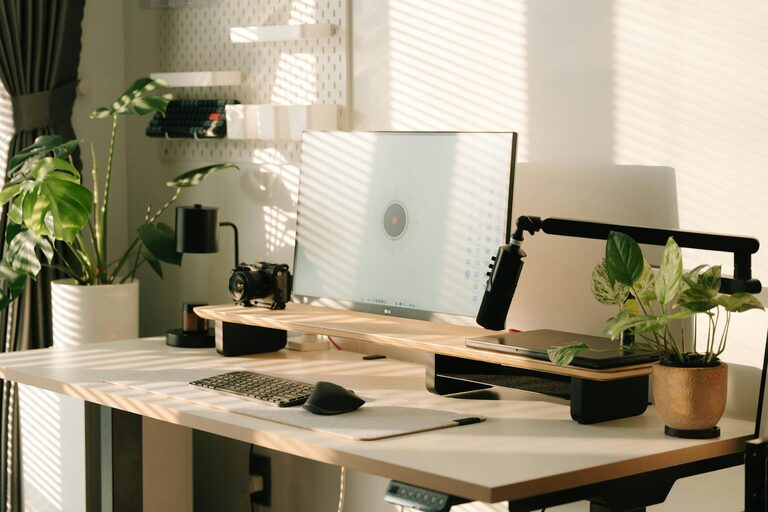
Natural light is proven to enhance mood and energy. Position your desk near a window if possible. If natural light is limited, consider adjustable lighting that mimics daylight to reduce eye strain and keep you alert.
Invest in Comfortable and Functional Furniture
Ergonomic Chair
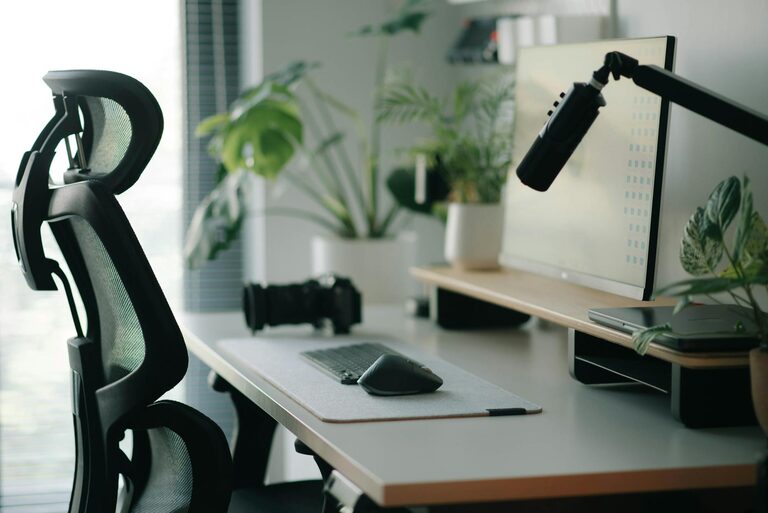
Choose an ergonomic chair that supports good posture to prevent back and neck pain. Comfort helps you stay focused for longer periods without discomfort.
Proper Desk Setup
Use a desk with enough surface area to accommodate your computer, accessories, and paperwork without feeling cramped. Keep important tools within easy reach.
Declutter and Organize
Keep Surfaces Clean
Clear your desk of unnecessary items to reduce visual distractions. A clutter-free surface promotes a clear mind.
Use Storage Solutions
Incorporate shelves, drawers, or organizers to store supplies and documents. Labeling containers can help maintain order and speed up finding what you need.
Incorporate Calming Elements
Add Greenery
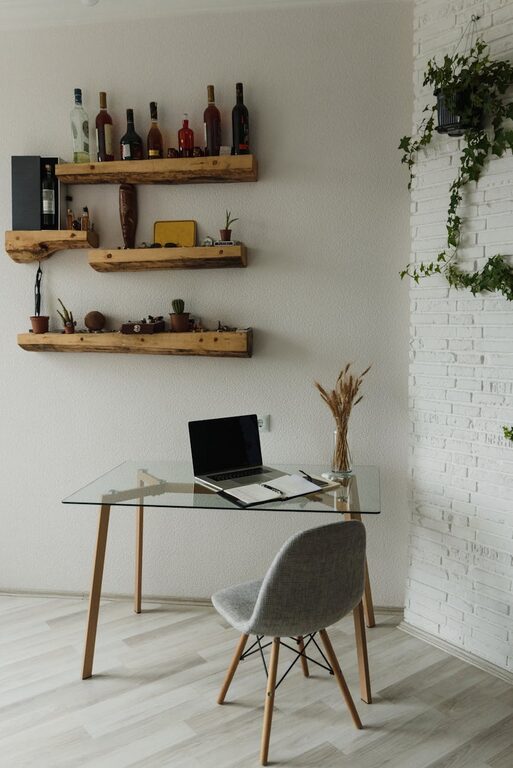
Plants are known to improve air quality and add a soothing touch to any space. Choose low-maintenance plants like succulents or spider plants.
Choose Soothing Colors
Soft, neutral colors or pastels can create a relaxing atmosphere. Consider updating your walls, furniture, or accessories in colors that calm you.
Use Aromatherapy
Scented candles, essential oils, or diffusers with lavender, eucalyptus, or citrus scents can enhance relaxation and focus.
Minimize Digital Distractions
Manage Notifications
Turn off non-essential notifications on your computer and phone during work hours. This helps maintain concentration and reduces interruptions.
Use Productivity Apps
Apps that block distracting websites or help organize tasks can improve workflow and ease stress.
Personalize Your Space
Add personal touches like photos, inspiring quotes, or artwork that motivate you without overwhelming the area. Feeling emotionally connected to your workspace can increase job satisfaction and drive.
Establish a Cleaning Routine
Regularly tidy your workspace to prevent clutter buildup. Taking a few minutes each day to organize keeps the environment inviting and functional.
Incorporate Break Areas
If space allows, create a small corner for relaxation away from your desk. Use this area to stretch, meditate, or enjoy a quick reset, which can improve overall productivity.
Conclusion
Designing a relaxing home workspace is about combining comfort, organization, and inspiration. By choosing the right location, investing in ergonomic furniture, reducing clutter, bringing in calming elements, and managing digital distractions, you can create an environment that supports both relaxation and productivity. Take the time to customize your space to suit your needs—it’s an investment in your well-being and work success.