
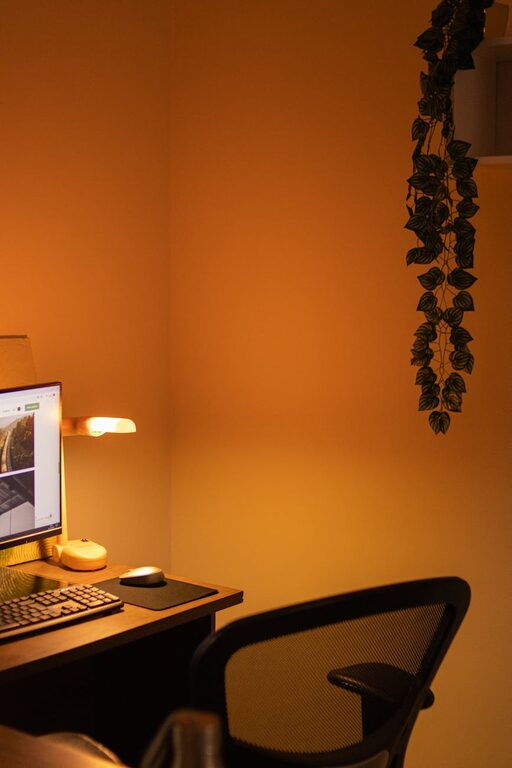
Creating a cozy and inviting home office can make a huge difference in your workday. When your workspace feels comfortable and welcoming, it’s easier to stay focused, motivated, and relaxed. Whether you have a dedicated room or a small corner in your home, there are many ways to craft a space that supports your work needs and feels like a pleasant place to be. Here are some practical tips to help you create a home office that combines comfort, style, and functionality.
1. Choose the Right Location
Selecting the right spot for your home office is the first step. Consider these factors:
– Natural Light: A space near a window lets in plenty of daylight, which can improve mood and energy.
– Quiet Environment: Choose a place away from high-traffic areas to reduce distractions.
– Good Ventilation: Fresh air helps keep you alert and comfortable during long work hours.
If you don’t have a separate room, a quiet corner with a screen or room divider can create a sense of separation from the rest of your home.
2. Invest in Comfortable Furniture
Comfort is key to creating an inviting workspace. Here’s what to keep in mind:
– Ergonomic Chair: Look for a chair that supports your back and encourages good posture.
– Functional Desk: Select a desk size that fits your equipment and provides enough space to work comfortably.
– Adjustable Options: Adjustable chairs or desks (including standing desks) can help you shift positions and avoid fatigue.
Prioritizing comfort will make it easier to stay focused and avoid aches or strains.
3. Personalize Your Space
Adding personal touches makes your office feel more inviting and uniquely yours. Consider:
– Artwork or Photos: Hang prints or pictures that inspire and make you smile.
– Plants: Indoor plants purify the air and add a calming natural element.
– Decorative Items: Use items like candles, decorative bowls, or meaningful souvenirs to add personality.
Avoid clutter by choosing a few meaningful items rather than crowding the desk.
4. Use Warm and Soothing Colors
Color can influence your mood and productivity. Opt for:
– Soft, Neutral Tones: Beiges, creams, and light grays provide a calming background.
– Warm Accents: Shades like soft oranges, muted yellows, or warm greens add warmth and energy.
– Consistent Palette: Keeping the color scheme consistent creates harmony and reduces visual noise.
Paint, wall decals, or textiles like curtains and cushions can help bring in color.
5. Prioritize Good Lighting
Proper lighting reduces eye strain and creates a comfortable environment.
– Layered Lighting: Combine natural light with overhead lights and a good desk lamp.
– Warm Bulbs: Use warm-white bulbs instead of harsh, cold light to create a cozy atmosphere.
– Adjustable Lamps: A desk lamp with adjustable brightness and direction helps focus light where needed.
Position your desk near a window to take advantage of daylight, but avoid glare on your screen.
6. Keep it Organized and Clutter-Free
An organized workspace supports productivity and reduces stress.
– Storage Solutions: Use shelves, filing cabinets, or baskets to keep supplies tidy.
– Cable Management: Tidy cables with clips or sleeves to prevent a tangled mess.
– Minimalist Approach: Keep only what you need on your desk to maintain a clean, open workspace.
Routine tidying at the start or end of each day helps maintain order.
7. Add Soft Textiles for Extra Comfort
Soft materials add warmth and coziness to your office.
– Rugs: A small area rug can anchor the space and add softness underfoot.
– Throw Blankets and Cushions: These can make your chair more comfortable and inviting.
– Curtains or Drapes: They can soften light and enhance privacy.
Choose fabrics that complement your color scheme and overall décor style.
8. Incorporate Inspiring Elements
Motivation is easier when your surroundings inspire you.
– Vision Board: Pin images or quotes that reflect your goals.
– Books and Journals: Keep favorite books and notebooks close by.
– Clock or Timer: Helps you manage time effectively and stay on schedule.
Rotate inspiring elements occasionally to keep your space fresh.
9. Manage Noise Levels
Controlling noise helps maintain concentration.
– Soundproofing: Use rugs, curtains, or foam panels to absorb sound.
– White Noise: A small white noise machine or fan can mask distracting sounds.
– Headphones: Noise-canceling headphones can block interruptions when needed.
If your home is noisy, consider scheduling work during quieter times.
10. Keep Technology User-Friendly
Ensure your tech setup supports your workflow without causing frustration.
– Reliable Internet: A stable connection is essential for work.
– Ergonomic Accessories: Keyboards, mice, and monitors that reduce strain help maintain comfort.
– Cable Organization: As mentioned, keep cables neat to avoid clutter and distraction.
Regularly update software and equipment for smooth performance.
—
Final Thoughts
Designing a home office that feels cozy and welcoming is about balancing comfort, style, and efficiency. By thoughtfully selecting furniture, lighting, colors, and personal touches, you can create an environment that supports your work and makes your day more enjoyable. Remember, your home office is your personal space, so tailor it to what makes you feel relaxed and motivated.
Start small with a few changes, and gradually tweak your space until it feels just right. Your productivity and wellbeing will thank you!